

The Victorians were expert at brutalising and breaking their prisoners
During a visit to Old Melbourne Gaol, I could imagine why such a cruel penal system – exported from Britain – produced mental breakdown rather than fine upstanding Christian citizens

Taking the opportunity to escape the UK’s continual deluge from the skies in January and much of February, I flew to Melbourne for the Australian summer.
Along with the wonderful beaches and beautiful scenery of the Mornington peninsula, I couldn’t resist a trip to the Victorian hellhole that was Old Melbourne Gaol.
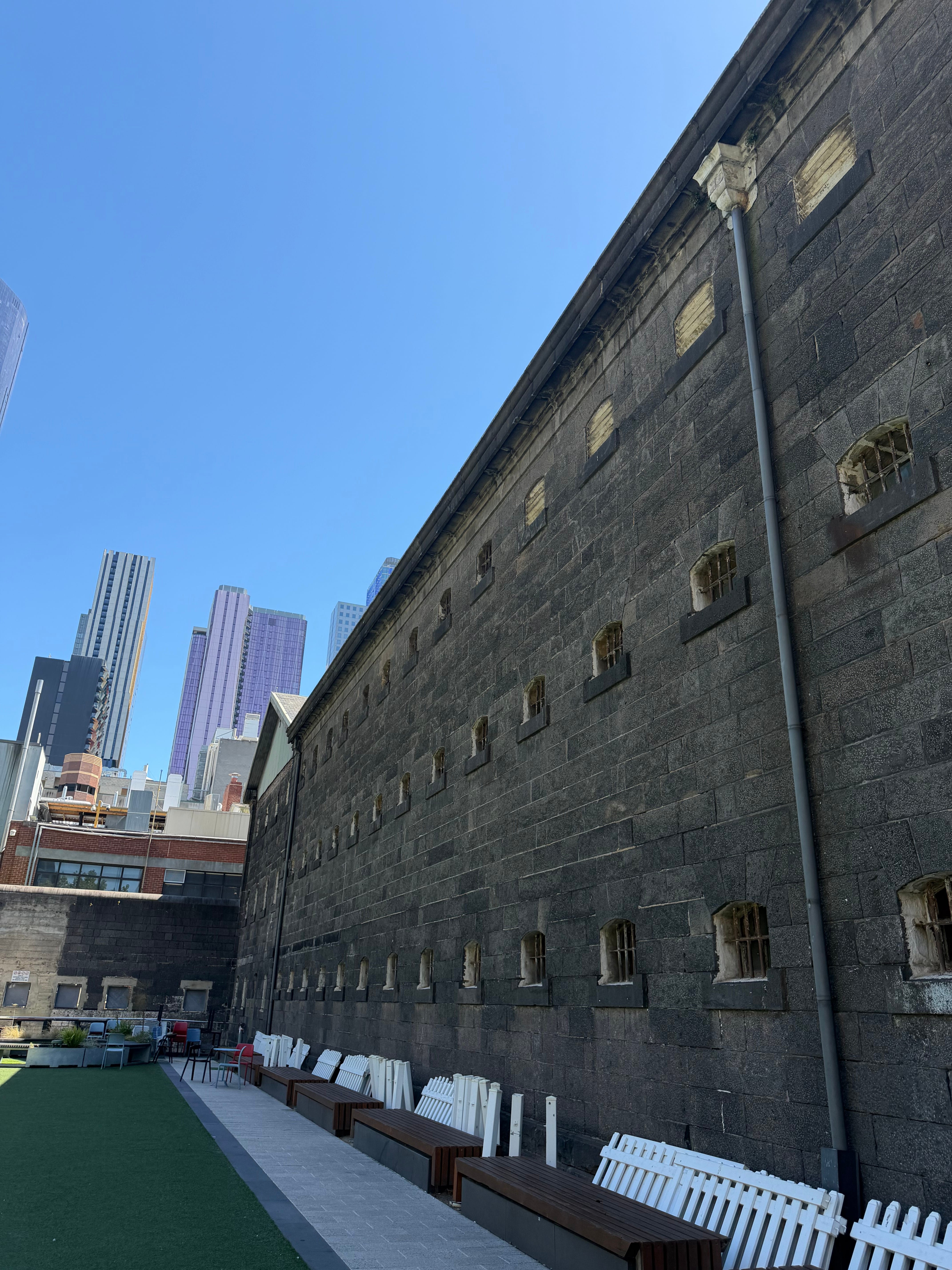
After my visit to Wandsworth prison in south London in January, I was curious to compare Melbourne’s forbidding old gaol, which originated from the same period. Melbourne opened in 1845 (Wandsworth six years later), based on Joshua Jebb’s new ‘model’ prison at Pentonville, near where I live in London.
Jebb, who had been a military engineer, was Surveyor-General of convict prisons and adviser to the Home Office in London.
As Britain’s policy of transporting its convicts to the colonies was wound down in the 1850s (it, too, had failed to deter people from committing crimes), the country started foisting its ‘model’ prisons on them instead.
Solitary confinement, hard labour, religious instruction and abstinence were the order of the day, designed to cow inmates of both sexes into reforming their ways. On arrival, they were locked up 23 hours a day.
Silence and separation of prisoners were part of the routine, with inmates having to wear ‘silence masks’ – white hoods – to hamper communication.
Mental breakdown and hangings
Behind walls are two-feet thick, the layout featured a central ‘panopticon’ building that allowed the guards to have a 360-degree vantage point to observe the prison wings spanning from the centre.
The cell windows were high up, ensuring prisoners could not see the outside world.
Unsurprisingly, the depressing solitude did nothing to raise inmates out of their criminal ways – nor out of the desperate poverty that no doubt frequently contributed to their lawbreaking. Mental breakdown was more likely.
The architecture is as grim and overbearing as Wandsworth. What was chilling was that the gallows at Melbourne Gaol were at the end of one of the landings.


In Wandsworth they were in a soundproof room and condemned inmates were brought into a condemned cell without any other prisoners seeing them. When an execution was to take place there, everything was done to ensure inmates would be busy and not distracted/distressed by the process or sound of the hanging of one of their number.
At Melbourne, no such efforts seem to have been made. When the gang leader Ned Kelly was hanged in 1880, he was brought across the prison’s hospital yard and marched to a cell next to the gallows.
Ellen, Ned’s mother, was actually in the prison serving her own three-year sentence for an altercation with a policeman. Her cell was just feet away from her son’s.
One-hundred-and-thirty-three prisoners were executed there (the tally at Wandsworth was 135). Today the prison profiles some of these unfortunates on its walls and a frequent theme of their trials is poverty along with circumstantial and flimsy evidence.
Of the first 10 hangings in Melbourne gaol, five were of Aboriginal Australians.
The Old Melbourne Gaol museum is a well-run institution with insightful guides. But it was disconcerting to see tourists and children milling around the gallows, scene of so much torment not that long ago (the prison closed in 1924).
Grim, grim, grim.. but a great piece. Fascinatingly ghastly.. :-)